Extending Hospitality Beyond the Six-Hour Reception

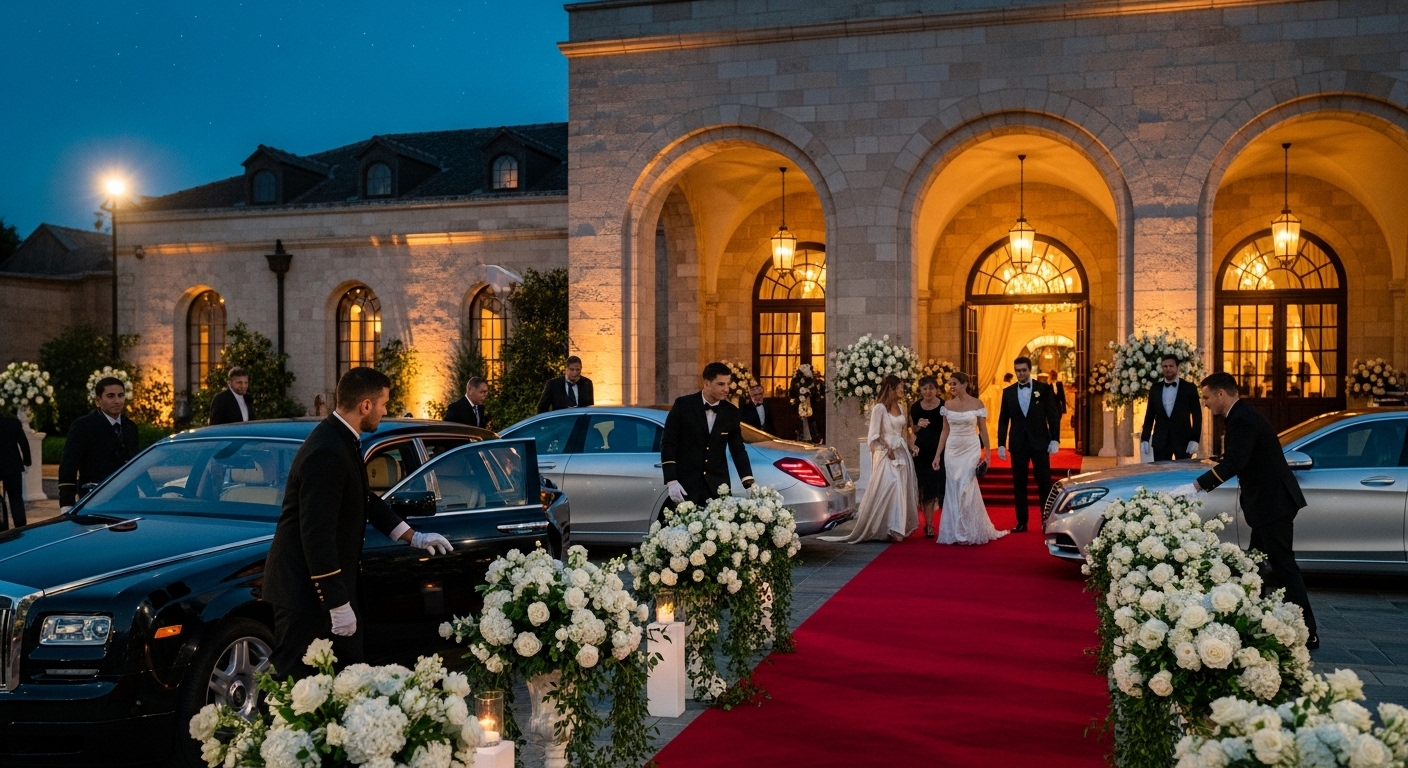
In an era where guests travel across states, oceans, and time zones to be with you, the modern wedding has gracefully expanded from a single evening into a Wedding Weekend Experience. This is not about adding more events to an already busy schedule; it’s about extending the warmth of your hospitality and savoring the rare gift of having all your favorite people in one zip code.

Here is how to design a weekend that feels indulgent for your guests without exhausting the couple of honor.

The Welcome Event: The Pressure Release Valve

For decades, the “Rehearsal Dinner” was a private affair for immediate family. Today, a Welcome Party the night before the wedding is the single best way to ensure you actually talk to your guests. On the wedding day, you’ll be pulled in a hundred directions; the night before is your time to roam, hug necks, and lower shoulders.

  • The Vibe: Keep it low-key and distinctly different from the wedding itself. If the wedding is Black Tie Ballroom, this should be a Backyard BBQ or a Pizza Truck in a Beer Garden.
  • The Invite: Invite everyone who is traveling from out of town. This is a non-negotiable gesture of thanks for their journey.

The Day-Of Oasis (For Guests Not at the Bridal Suite)

While you’re getting your makeup done, what are your 150 guests doing in a hotel? Curate a small list of local “Insider Tips” on your wedding website.

  • The Best Coffee: [Name of Local Roaster]
  • The Scenic Walk: [Name of Park or Beach]
  • The Hangover Cure Breakfast Spot: [Name of Diner]
    Consider placing a small “Welcome Bag” in their hotel room with a bottle of water, a local pastry, and a printed note with the weekend timeline. It costs little but telegraphs immense care.

The Farewell Brunch: The Gentle Goodbye

Sunday morning. You’re married. You’re exhausted. But this final gathering is a soft landing.

  • The Strategy: Do not host a plated, seated brunch where you are the center of attention. That’s just another wedding. Instead, host a “Drop-In Breakfast.”
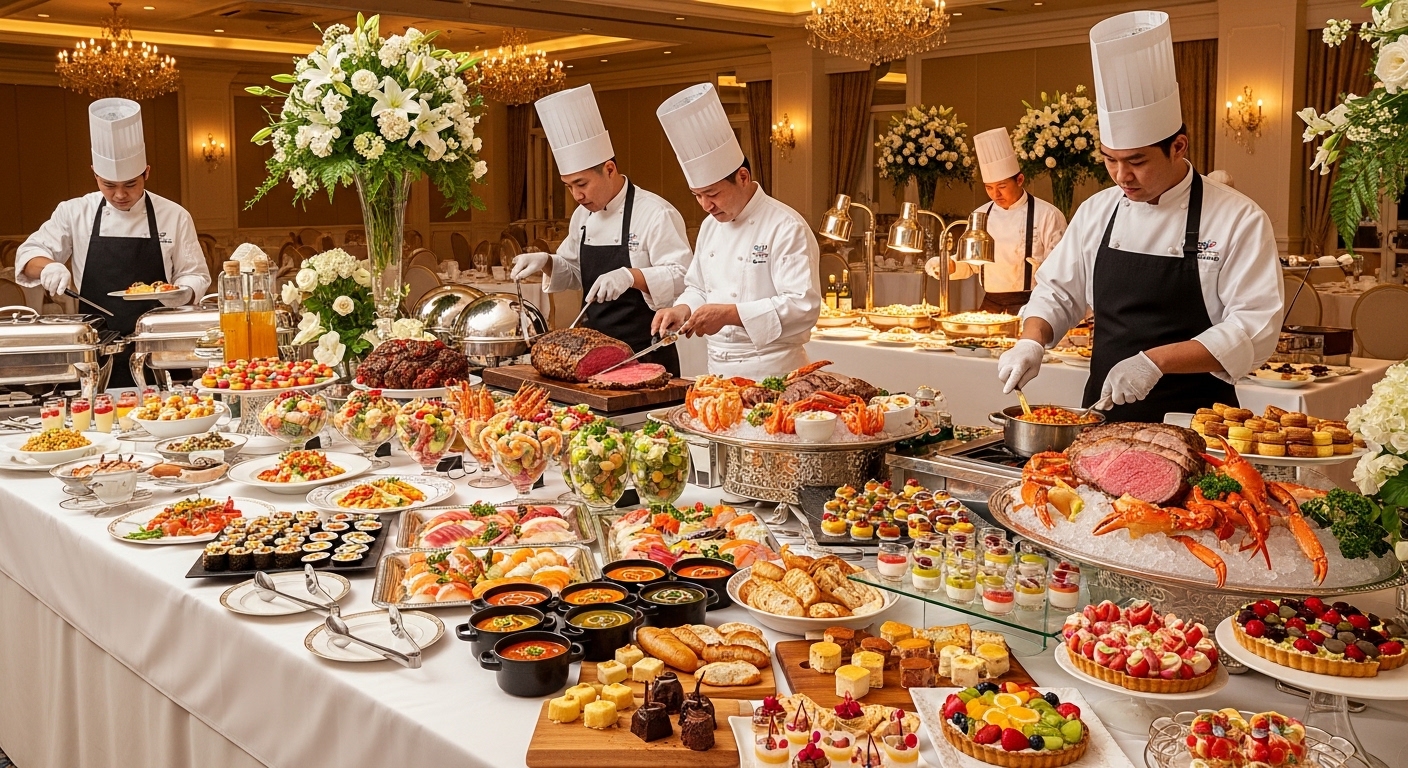
  • The Execution: Rent out a private room at the hotel restaurant or a local cafe from 9:00 AM to 11:30 AM. Offer a buffet of pastries, fruit, and a mimosa bar. You and your new spouse arrive in comfortable clothes (yes, the “Wifey” sweatshirt is allowed). You sit with one group for 15 minutes, then drift to another table. It allows for a slow, relaxed dispersal. By noon, you’re done, and you’re off to the honeymoon, full of not just wedding cake, but the lingering warmth of a weekend well-spent.
A Guide to Writing Ceremony Words That Matter

The flowers will wilt. The cake will be eaten (hopefully not smashed in your face). The band will pack up and go home. But the words you speak to one another at the altar? Those will hang in the air of your marriage forever. They become the baseline, the contract of the heart that you’ll refer back to in moments of joy and challenge.

Writing your own vows can feel like the most intimidating piece of paper you’ll ever face. But with the right approach, it transforms from a daunting task into the most meaningful creative project of your engagement.

The Structural Secret

Do not sit down and try to write Shakespeare. You are not an Elizabethan poet; you are a person in love. Use a simple, fail-proof structure:

  1. The Declaration of Love: “I love you because…” (Be specific. Not just “you’re nice.” Is it the way you hum when you make coffee? The patience you show my eccentric family?)
  2. The Promises (The Core): “I promise to…” (Avoid clichés like “be your best friend.” Instead, try: “I promise to always save you the last bite of dessert” or “I promise to listen to that same story about the camping trip for the hundredth time, because your face lights up when you tell it.”)
  3. The Forever Statement: “All of this I give to you, for all the days of my life.”

Tone Matching

Discuss the vibe with your partner beforehand. You don’t want one person giving a stand-up comedy routine while the other delivers a tear-jerking sonnet. Aim for a balance of levity and gravity.

  • The Laugh: “I promise to always pretend to care about [Sports Team/Fantasy Football]. I promise to watch the director’s cut of Lord of the Rings with you… once a year.”
  • The Tear: “I promise to hold your hand in waiting rooms. I promise to build a home where you feel safe enough to be soft.”

The Delivery

Print your vows on a small, handsome card (a phone screen looks jarring in professional photos). Practice reading them aloud to yourself in the shower or the car. You will cry. That is the point. The wobble in your voice is the music of authenticity. Take a pause, take a breath, and look up from the page to make eye contact.

This is not a performance. It is a gift. Unwrap it slowly.

How to Ask for What You Actually Want With Grace

Gone are the days of the department store scanner gun and the inevitable return of three identical crystal vases. The modern wedding registry has evolved into a deeply personal, and dare we say, stylish curation of your future life together. It is an invitation for your guests to invest in the texture and experience of your marriage.

But with endless options—from honeymoon funds to charity donations—how do you build a registry that feels both gracious and genuinely you? Here’s our expert guide to navigating the new etiquette of gifting.

The Anchor: The Kitchen & Home Edit

While experiences are wonderful, the physical heirlooms of a home matter. Focus on longevity over trend. Instead of asking for a full 12-piece set of formal china you might use twice a decade, consider:

  • Investment Cookware: A hand-hammered copper skillet or an enameled cast iron Dutch oven that will caramelize onions for the next forty Thanksgivings.
  • The Elevated Everyday: Upgrade your morning routine. A professional-grade espresso machine or impossibly soft linen sheets are the gifts you will silently thank your guests for every single day.
  • The “Scatter” Approach: Allow guests to contribute toward a larger, single piece of art or furniture. There is something profoundly romantic about looking at a dining table and knowing it was built by the love of your community.

Navigating the Honeymoon Fund

Let’s address the elephant in the room: Is asking for money tacky? Absolutely not. What is tacky is a vague, un-captioned request for cash. The key is specificity and storytelling.
Do not write: “Cash Fund.”
Do write: “Sunset Sail in Santorini” or “Pasta-Making Class in Rome.”
By itemizing experiences, you allow guests to connect with a tangible moment in your journey. After the wedding, send a photo of you holding a sign that says “Thanks for the gelato, Aunt Sue!” This transforms a monetary transfer into a shared memory.

The “No Gifts, Please” Clause

If you’ve built a home together and truly desire no physical items, there is a beautiful, and often overlooked, alternative: The Charity Registry.
Select two or three organizations that reflect your shared values—perhaps an animal shelter where you adopted your dog or a literacy foundation that aligns with your professions. This approach communicates a maturity and generosity that sets a beautiful tone for the celebration. It signals that your union is not just about building a home for two, but about contributing to the world around you.

The P.S. Note

Regardless of what you register for, the thank-you note remains the non-negotiable cornerstone of wedding etiquette. Aim to send them within 8-10 weeks. A note that mentions the specific gift and how you intend to use it (“We cannot wait to break in this cast iron on our first Sunday morning as husband and wife”) is the final, polished bow on the act of receiving.

The Guest List Manifesto (Hardest Decisions You’ll Make)

Before the floral mood boards and the cake tastings, there is the spreadsheet. The guest list is the beating heart—and occasionally, the mild headache—of wedding planning. It dictates the budget, the venue size, and the overall energy of the room. More than that, it’s a delicate exercise in managing family dynamics while protecting the intimacy of your day.

There is no algorithm for the perfect guest list, but there is a framework for approaching it with kindness, clarity, and an unwavering focus on your partnership.

The A-List and The B-List (A Strategic Reality)

Let’s normalize the B-List. In a perfect world, you’d invite everyone. In a realistic world, venue capacities and per-plate costs create boundaries. Draft two lists.

  • The A-List: Immediate family, your bridal party, and the friends who know your coffee order and your deepest fears. These invitations go out first.
  • The B-List: Colleagues, parents’ friends from the club, distant cousins. As regrets come in (and they will), you may send out “wave two” invitations. Professional Note: Ensure B-List guests receive their invitations no later than 6-8 weeks before the date to avoid the feeling of being an afterthought.

The Plus-One Principle

This is the great debate. Our guiding light here is The Established Couple Rule. If a guest is married, engaged, or living with a significant other, that partner is a social unit and must be invited by name. This is non-negotiable etiquette.
For single guests, the rule is more flexible. If budget allows, offering plus-ones to your entire single crew is a generous act of hospitality (nobody loves being seated at the “singles table”). If not, prioritize plus-ones for those traveling from out of town or those who genuinely won’t know a single other soul at the wedding.

Handling the “And Your Children” Question

An adults-only reception is a perfectly valid, and increasingly common, choice. It allows parents to let their hair down and ensures the tone of the evening remains elegant and uninterrupted. The key is consistency.
If you are cutting off at first cousins’ children, you cannot make an exception for your college roommate’s toddler. To soften the request, consider hiring a local, vetted babysitting service at a nearby hotel suite for out-of-town families. This small gesture shows you care about their ability to attend without compromising your vision.

The Conversation with Parents

If parents are contributing financially, they get a voice at the table. This is a partnership. Set aside a specific evening to discuss the list with them before you fall in love with a venue that seats 100 but their list has 80 names on it.
A diplomatic script: “We have a hard stop on capacity at [Venue]. We’re putting our immediate circle first. Let’s look at this together and see where we can find some compromise for your friends, perhaps at a more casual post-wedding brunch?”

Remember: The people who love you want to see you happy and relaxed. They will understand the need for an intimate gathering if you communicate with warmth and firmness.

A Professional Planner’s Guide to a Seamless, Stress-Free Flow

There is a secret ingredient to a wedding where the couple looks genuinely relaxed, the dance floor stays full, and the champagne never runs dry: A meticulously crafted timeline. Forget the rigid, military-style itineraries of the past. Today’s wedding timeline is a piece of choreography—a gentle guide that allows for romance, spontaneity, and, most importantly, breathing room.

Whether you’re working with a seasoned planner or flying solo, understanding the rhythm of the day is the single greatest gift you can give yourselves and your guests. Here is how to structure a day that flows like a beautiful symphony, not a frantic sprint.

The Golden Rule of Pre-Ceremony: The Buffer Zone

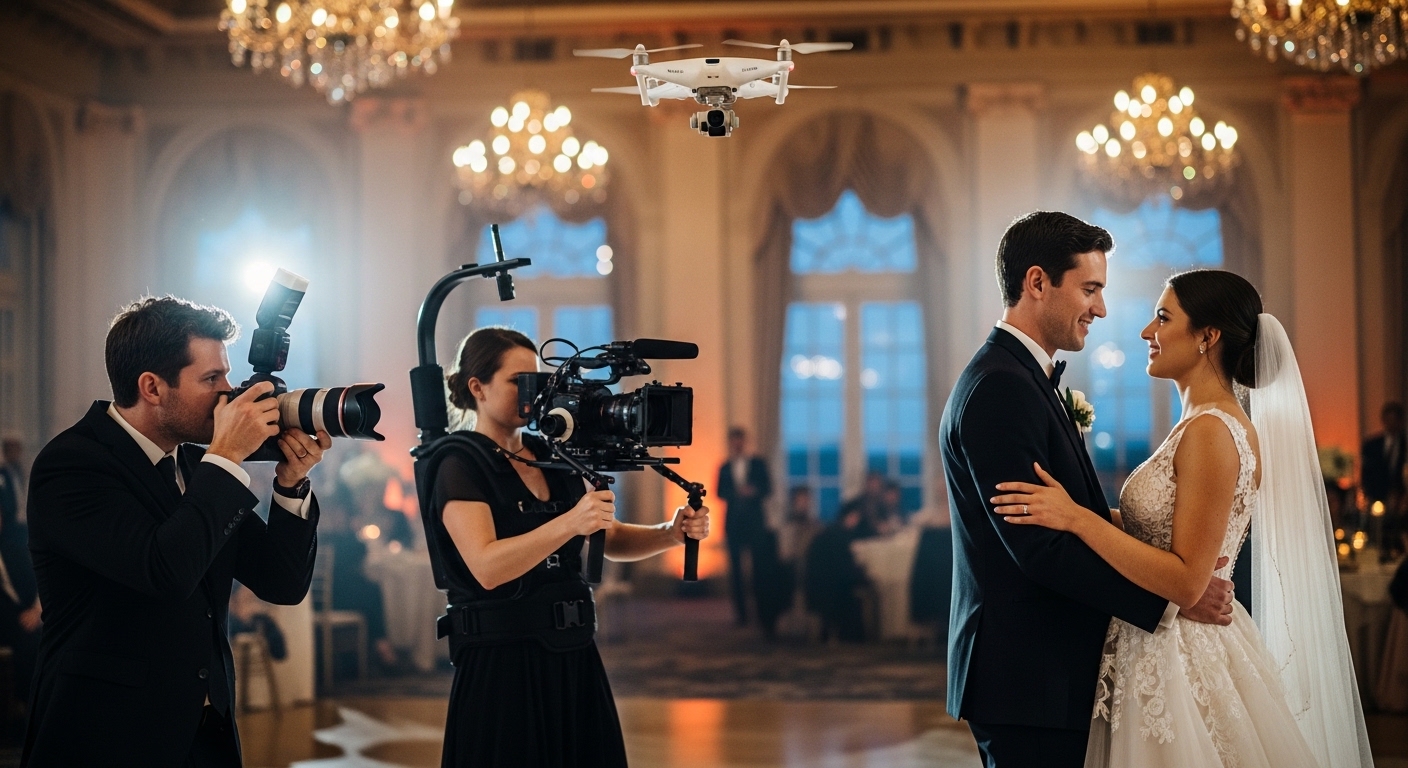
If you take one piece of advice from this article, let it be this: Whatever time you think you need to get ready, add one hour. Hair and makeup artists will tell you the same thing. There is always a curl that won’t hold, a groomsman stuck in traffic, or a boutonniere that requires a YouTube tutorial. That extra hour isn’t dead time; it’s sanctuary time. It’s the space where you sip mimosas in your robe, where your photographer captures those candid, giggling moments with your mother, and where you can take three deep breaths before stepping into the dress. Schedule this buffer immediately before you leave for the first look or the ceremony.

The Cocktail Hour Conundrum

The standard 60-minute cocktail hour is actually a 45-minute photo sprint for you. Be realistic about your photography shot list. If you want those sweeping, magazine-worthy portraits at golden hour, you may need a 90-minute cocktail window. Communicate this to your venue and caterer early. To keep guests enchanted during a longer interlude, consider elevating the experience beyond a cheese platter. Think: a live acoustic duo, a roaming oyster shucker, or a bespoke “His & Hers” cocktail station.

The Dinner Service Pacing

The most common complaint from guests is not the food temperature, but the length of the meal service. A 3-course plated dinner should ideally land between 75 and 90 minutes. If you are doing family style (a personal favorite for warmth and connection), account for an extra 15 minutes as platters are passed and stories are shared. Work with your catering captain to ensure salads are cleared promptly and the main course arrives before the bread basket is empty.

The Late-Night Rebound

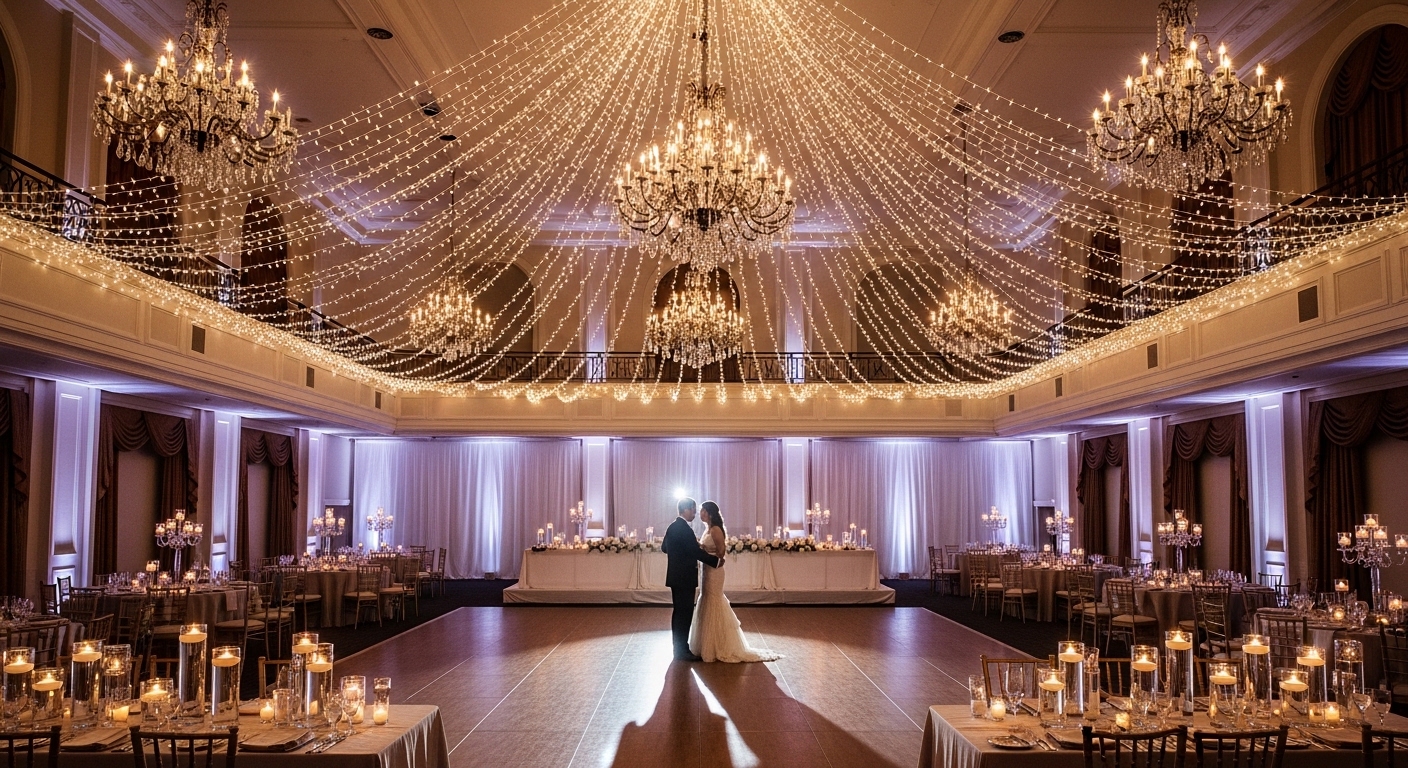
There is a phenomenon known as the “10:15 PM Lull.” The cake is cut, the older relatives are hugging goodbye, and the bar is steady. This is the precise moment to deploy The Snack. Whether it’s a tower of sliders, mini grilled cheese with tomato soup shooters, or a soft pretzel bar, this small, savory gesture re-energizes the dance floor for the final, glorious hour. It signals to your guests: We’re not done celebrating yet.

A well-written timeline is an act of hospitality. It is the invisible architecture that allows everyone in the room to simply be present.

×

Subscribe to Our Newsletter

Get the latest updates and exclusive content delivered to your inbox.